Medicina tradicional china: un enfoque holístico de la curación

Traditional Chinese Medicine, or TCM, is an ancient healing tradition practiced in China and other Asian countries for thousands of years. Its primary goal is to help people achieve and maintain health by balancing the body, mind, and spirit. It focuses on treating the person as a whole, addressing the root causes of illness rather than just the symptoms.
Fundamentals of TCM
Traditional Chinese Medicine is based on several key ideas:
Qi (Chi):
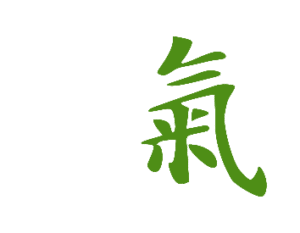
Qi is the vital force or life energy that flows through the universe and the human body, sustaining and harmonizing all its functions. When Qi flows freely and remains balanced, it promotes health, vitality, and well-being. If the flow of Qi becomes blocked or imbalanced, it can disrupt the body's natural harmony, causing illness or discomfort.
Yin Yang
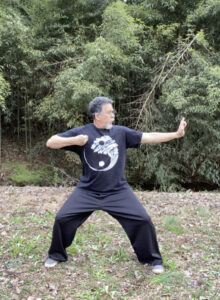
Yin and Yang are opposite yet complementary forces representing the duality of all things in the universe, such as night and day or cold and heat. Yin represents qualities like calmness, passivity, and inwardness, while Yang embodies activity, energy, and dynamism. Health arises from the harmonious balance between these forces, ensuring that neither dominates nor diminishes the other.
The Five Elements
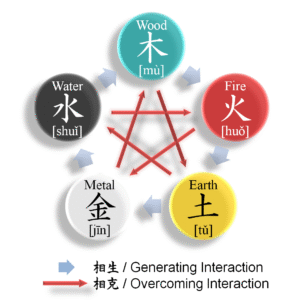
In Chinese tradition, the primordial Qi manifests in five interdependent energetic movements: Water, Wood, Fire, Earth, and Metal. The Five Elements (Wu Xing) represent dynamic patterns in nature and the human body. Each element is associated with organs, emotions, seasons, and other characteristics that help TCM practitioners understand and diagnose energetic imbalances.
The Meridians
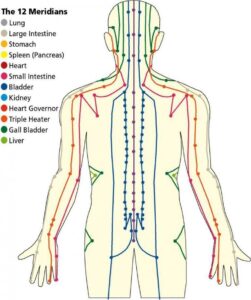
TCM practitioners believe that Qi flows through channels in the body called meridians, which are like invisible highways connecting the entire body. If something blocks the flow of Qi in these meridians, it can cause pain or illness. Practices such as acupuncture, acupressure, moxibustion, and tuning forks aim to unblock and balance the Qi in the meridians.
Acupuncture Points (Acupoints)
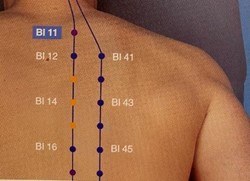
Acupoints are specific points along the meridians where Qi is most accessible. These points act as "energy gates" that TCM practitioners use to influence the flow of Qi.
How TCM Works
TCM uses a variety of natural methods to balance body and mind, including:
Acupuncture
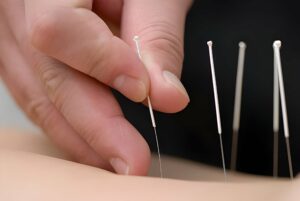
Fine needles are placed in specific points on the body to help Qi flow naturally. This can reduce pain, stress, and other health issues.
Acupressure
Applying gentle pressure to energy points helps relieve pain, reduce tension, promote relaxation, and restore energy flow.
Moxibustion

Involves burning a plant called mugwort (moxa) near the body to warm specific areas and improve Qi flow.
Qigong

A gentle practice combining breathing, movement, and meditation to help the body heal and stay balanced.
Massage (Tuina)

A manual therapy that releases tension, improves circulation, and restores energy flow.
Cupping Therapy
Special cups create suction on the skin to improve blood flow and relieve muscle tension.
Tuning Forks in TCM
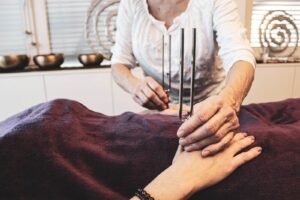
The use of tuning forks is an innovation that combines ancestral wisdom with modern sound healing techniques. The vibrations stimulate acupoints and meridians, enhancing Qi flow and promoting internal balance.
Herbal Medicine
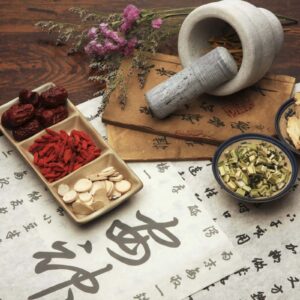
TCM practitioners create personalized remedies using plants, minerals, and other natural ingredients.
Dietary Therapy
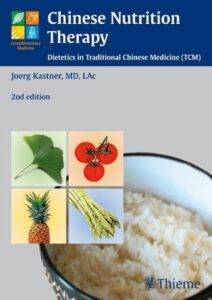
TCM considers food as medicine. Eating the right foods for your body's needs can help you stay healthy.
What Can TCM Treat?
TCM is used for a wide variety of health issues, including:
- Chronic pain (such as back pain or migraines).
- Stress and anxiety.
- Sleep problems.
- Digestive disorders.
- Hormonal imbalances.
- Fatigue.
- Respiratory problems (such as asthma).
- It is also excellent for preventive care, helping you maintain health before problems arise.
How is TCM Different from Western Medicine?
While Western medicine often focuses on treating symptoms with medication or surgery, TCM adopts a holistic approach. This means it considers physical, emotional, and environmental health together, emphasizing prevention and treating the root cause of problems.
However, it’s important to remember that TCM works best as part of a comprehensive health plan. Many people use it alongside modern medicine for a well-rounded approach to health.
Why Does TCM Remain Popular?
Despite being thousands of years old, TCM continues to be widely practiced around the world. People appreciate its emphasis on natural treatments, prevention, and personalized care. Furthermore, it has evolved to fit into modern healthcare.
Is TCM Right For You?
TCM offers gentle, natural methods to improve health, but it's always a good idea to consult a qualified professional. Whether you want to reduce stress, manage a chronic condition, or simply stay healthy, TCM can be a great option.
Final Reflection
Traditional Chinese Medicine is much more than a healing system: it is a philosophy of life. By focusing on balance, prevention, and the natural flow of energy, TCM helps you not only feel better but also live a healthier, more harmonious life.
Take the First Step:
Take the First Step: Discover the transformative benefits of Traditional Chinese Medicine with our personalized services, including acupuncture point activation with frequencies and sound, acupressure, and guided Qigong practices, designed to help you restore balance and enhance your overall well-being.
 English
  Spanish