
El Poder Transformador Del Tai Chi

Tai Chi, known as "Meditation in Motion," is an ancient Chinese martial art that combines gentle movements, mindful breathing, and a meditative state of mind. This ancestral practice is characterized by sequences of slow, fluid movements that promote relaxation, balance, and harmony between body and mind. By integrating deep breathing techniques and mental concentration, Tai Chi offers a form of exercise that benefits both physical health and emotional well-being. Based on the principles of Qigong, Traditional Chinese Medicine (TCM), and meditation, Tai Chi has evolved over centuries to become a popular practice that promotes health, well-being, and inner harmony. But what makes Tai Chi so beneficial, and why should you consider incorporating it into your daily routine? Let's explore further.
ORIGIN OF TAI CHI CHUAN
Tai Chi, or Tai Chi Chuan, translates to "Supreme Ultimate Fist." Historically, it was developed as a martial art for self-defense, emphasizing soft, flowing movements to neutralize force and maintain balance. Over time, its focus shifted toward promoting health and vitality, making it accessible to people of all ages and fitness levels. Today, Tai Chi is practiced worldwide as a holistic exercise that integrates physical health with mental and emotional well-being.
PHYSICAL BENEFITS OF TAI CHI:
Improved Balance and Coordination:
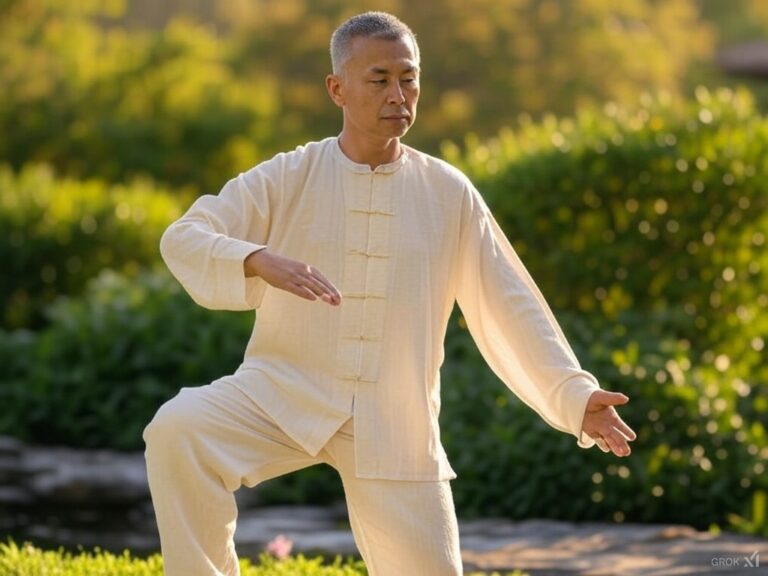
Tai Chi’s slow, deliberate movements enhance proprioception—the body’s awareness in space—helping to improve balance and prevent falls, especially in older adults.
Enhanced Athletic Performance:
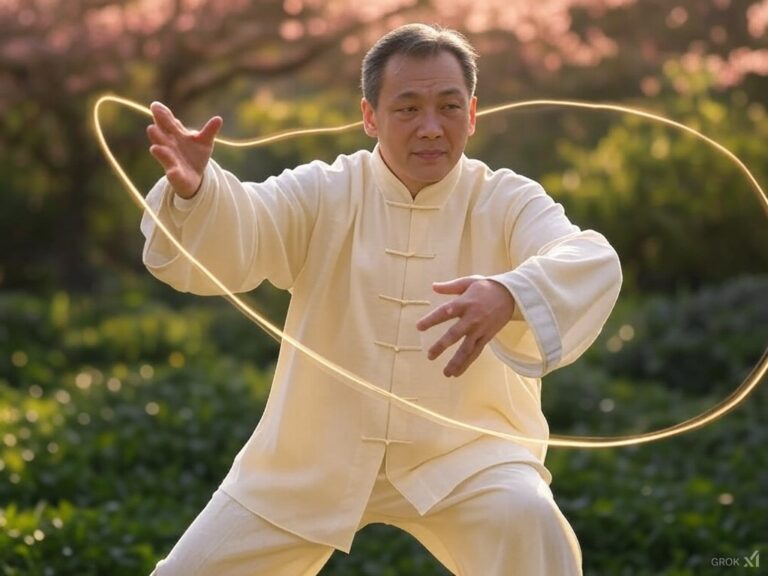
For younger generations, Tai Chi improves overall body coordination and control, sharpens reflexes, enhances concentration, and serves as a counterbalance to relieve stress from a busy lifestyle.
Strength and Flexibility:
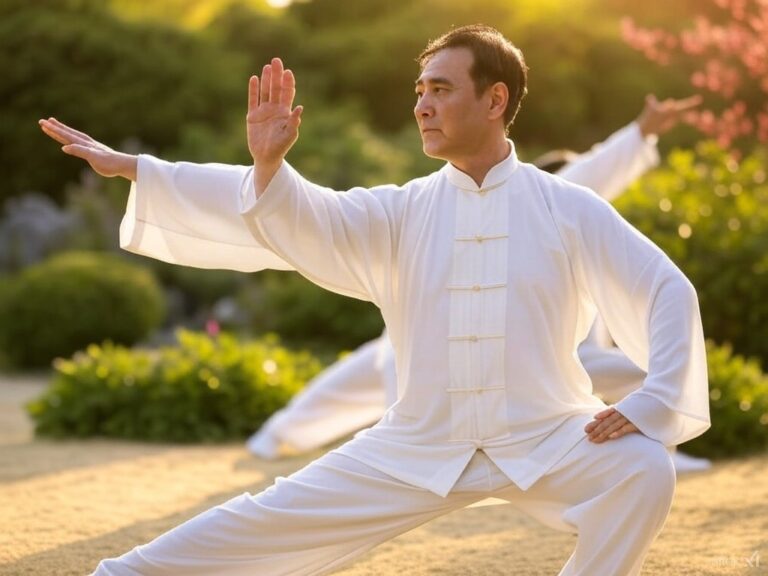
Though Tai Chi appears gentle, it engages multiple muscle groups, building strength and promoting flexibility. Its low-impact nature makes it ideal for individuals recovering from injuries or those with joint conditions.
Cardiovascular Health:
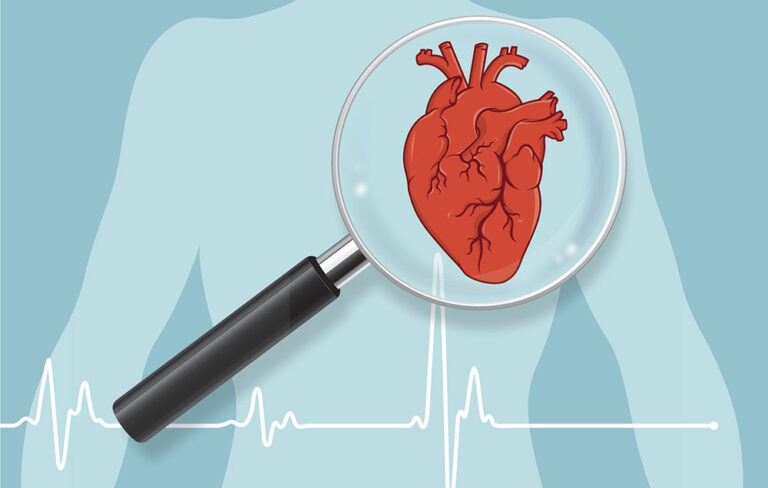
Regular practice can improve circulation, lower blood pressure, and enhance heart health by encouraging relaxed, rhythmic breathing and gentle movement.
Pain Management:
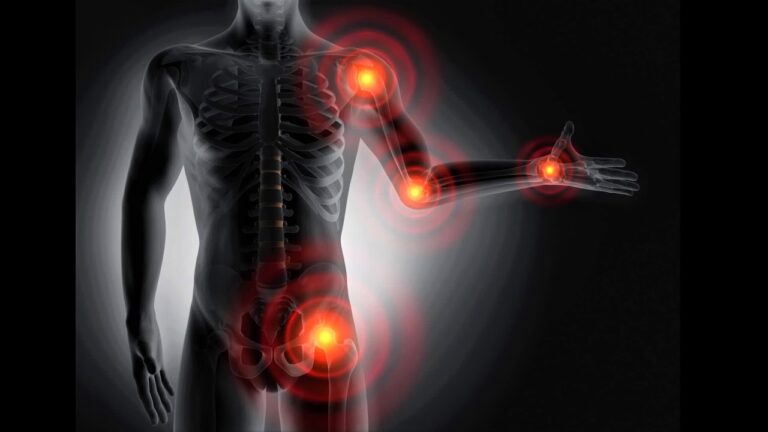
Tai Chi has been shown to alleviate chronic pain associated with conditions such as arthritis and fibromyalgia. Its emphasis on gentle movement reduces joint stiffness and improves mobility.
PHYSICAL BENEFITS OF TAI CHI:
Stress Reduction:
Tai Chi promotes a state of relaxation and mindfulness, helping practitioners release tension and stress. The combination of movement and conscious breathing calms the mind, creating a sense of inner peace.
Improved Concentration and Mental Clarity:

By requiring attention to precise movements and postures, Tai Chi sharpens focus and enhances cognitive function. Studies suggest it may even help delay cognitive decline in older adults.
Emotional Resilience:

The meditative aspect of Tai Chi fosters emotional balance and resilience, offering a tool for managing anxiety, depression, and other emotional challenges.
Inner Connection:
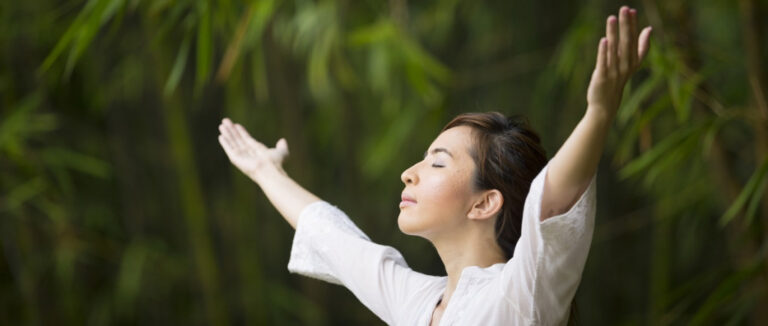
Tai Chi is deeply rooted in the philosophy of Yin and Yang—the balance of opposing forces in nature. Practicing Tai Chi allows individuals to connect with this natural flow, cultivating a profound sense of harmony with the world, with themselves, and with the Source of all creation. For many, Tai Chi becomes a moving meditation that nurtures both spiritual well-being and a deeper connection to life.
WHO CAN PRACTICE TAI CHI?
Tai Chi is an accessible discipline suitable for people of all ages and fitness levels. It can be practiced by:
Older Adults: To improve balance, reduce fall risk, and maintain joint health.
Busy Professionals: To manage stress and promote mental clarity.
Athletes: To enhance flexibility, coordination, and accelerate recovery.
Children: Tai Chi can be highly beneficial for children, aiding various aspects of their physical, mental, and emotional development.
Teenagers: Tai Chi can be a powerful and transformative practice for teens, helping them navigate the physical, emotional, and social challenges of this crucial life stage.
Individuals with Chronic Conditions: To manage pain and improve overall well-being.
HOW TO GET STARTED
To begin your Tai Chi journey:
Find a Qualified Instructor: Learning from an experienced teacher ensures proper technique and helps prevent injury.
- Join a Class: Group practice fosters a sense of community and provides motivation.
- Consider Private Lessons: For a more personalized experience, private lessons—whether in-person or online—offer instruction tailored to your specific goals and needs.
- Practice Regularly: Consistency is key. Even a few minutes a day can yield noticeable benefits.
- Be Patient:Tai Chi is a skill that develops over time. Enjoy the process and focus on the journey, not just the destination.
 English
  Spanish